IMPULSE spotlight: Brunilda Pali on the Great Impact of ‘Small’ Acts of Democratic Resistance
When the Dutch government discontinued its starter and stimulation grants, the AISSR responded by launching its own funding scheme: IMPULSE grants.
Designed to strengthen the academic profiles of early‑career scholars, these grants continue the spirit of the former national instruments. In spring 2025, IMPULSE grants were awarded to Assistant Professors on permanent contracts across all AISSR departments.
Impulse Spotlight
With the selected projects having kicked off in September 2025, the AISSR is now well underway in two years of fresh, innovative research.
In this series, we highlight the researchers behind these projects: what drives their work, why it matters now, and the impact they hope to make.
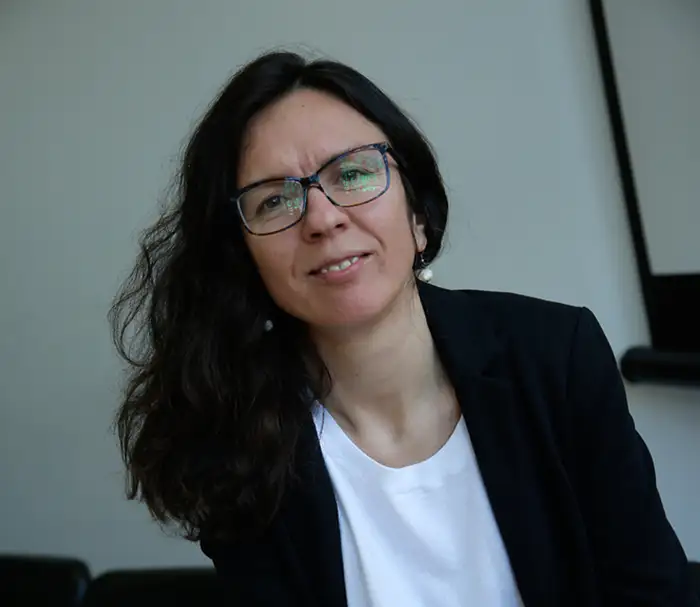
In this edition, we speak with Dr Brunilda Pali about her project, which explores the important role that small acts of care, solidarity, dialogue, and social repair play in the face of political division and democratic erosion.
Why is this research important right now?
‘Many countries around the world are facing real democratic strain. People are losing trust in institutions, political conversations are turning toxic, and leaders who use fear or division to gain power are becoming more common,’ Brunilda begins.
She finds hope in small, restorative acts of resistance taking place in communities and institutions worldwide. Initiatives that bring people together, support marginalized community members, and foster trust at a local level.
‘These initiatives aren’t big protests or dramatic political actions, but small, quiet, relationship‑centered practices that help people stay connected despite growing polarization, scapegoating, and exclusion.’
What impact do you hope the project will have?
‘For colleagues and practitioners in restorative justice, this project broadens the focus beyond interpersonal harm and criminal justice. It shows how restorative practices can address social fractures, counter exclusion, and help communities resist democratic erosion,’ Brunilda explains.
She adds that the project also offers new insights for political science and democratic theory, shedding light on the political significance of everyday acts of solidarity, care, and repair.
More broadly, Brunilda hopes the research will help people recognize the value of these practices and use them in their own communities as protective measures against fear and fragmentation—the very conditions in which authoritarian politics can take root.
‘By giving language to these quiet forms of resistance, the research aims to help communities strengthen democracy from the ground up.’
How would you explain your research at a dinner party?
‘This project is about how ordinary people help keep democracy alive in their everyday lives. We’re so used to thinking of democracy in terms of governments, elections, and political institutions that we forget it’s also something we practice with each other every day. And right now, when so much of the world feels tense and divided, those everyday interactions matter a lot.’
Bottom‑up initiatives that bring together people with different lived experiences, or organizing support for a neighbor targeted by harsh policies, are examples of small but impactful acts of democratic resistance, Brunilda explains.
‘My research asks: What makes these efforts effective? How do they help people feel heard and connected? Essentially, I’m studying how everyday acts of solidarity and care can be a quiet but powerful form of democratic resistance.’
Looking ahead
Over the next two years, Brunilda and her research team – bringing together academics, practitioners, and activists – will conduct case studies in the United States, the Netherlands, Greece, Belgium, and Italy. These studies will trace how communities respond to democratic strain in everyday ways.
As the work unfolds, the project aims to offer grounded, hopeful insights into how small acts of care and cooperation help sustain democracy from the bottom up.