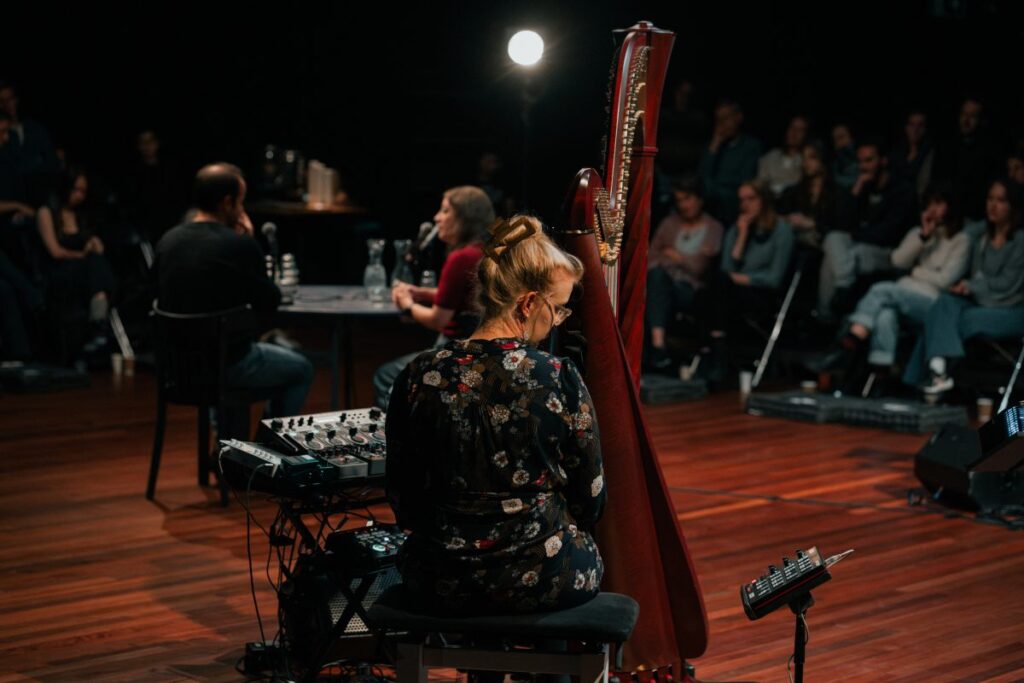
Nothing Bigger Than Humanity
Research Case Study
About the Project
The purpose of this research is to better understand the forms of resistance emerging across different societies in a global context characterised by increasing social and political polarisation, rising persecution of minority and marginalised groups, and the erosion of political freedoms such as the right to protest.
I am Jesse Laurie, a researcher at the University of Amsterdam in the faculty of political science alongside Dr Brunilda Pali, an Assistant Professor in Conflict Dynamics and Governance, who is the principal researcher on this project. Together, we run the research project Restorative Practice as Everyday Democratic Resistance. We are exploring the ways in which people enact different forms of resistance in their everyday lives, be this in their professional roles, in a voluntary capacity, through community organising and activism, various forms of artistic expression, and so on.
The research will inform a range of academic and non-academic resources that are designed to support and inform others working in similar contexts and facing comparable challenges.

What is Restorative Justice? What are Restorative Practices?
When you first hear about restorative justice, it will likely be in the context of the criminal justice system. In this context, restorative justice can be understood as an alternative way of thinking about crime, not solely as an act of law-breaking that calls for punishment, but as a harm experienced by numerous stakeholders from the community, including the direct victim and perpetrator. The restorative approach to justice aims to address harm at the relational level, by centring dialogue and encouraging direct and authentic communication between parties. You can find more information about restorative justice on the website of the European Forum for Restorative Justice.
The restorative approach can also be understood as an approach to conflict and harm more broadly. In this project, we use the term ‘restorative practices’ because we are not simply looking at the restorative approach in relation to crime, but in relation to the different types of social harms and conflicts that are increasingly prevalent within our societies. Restorative practices can be based predominantly around dialogue, perhaps take a more overtly activist or artistic direction, or they might combine many different dimensions in their approach to addressing harm. Regardless, the practice should be grounded in the core restorative principles, namely: truth, accountability, solidarity, responsibility and respect for human dignity.
Project Structure
The project is made up of approximately 15 case studies – research based around initiatives that are taking place across Europe and the United States, enacted by people confronting similar challenges. Nothing Bigger Than Humanity is one of those case studies. Research on the other cases is conducted, either by us, or by one or more members of the project’s research hub – a group of academics, practitioners and artists who are collaborating on this project together. You can see the list of research hub members here.
What does participation involve?
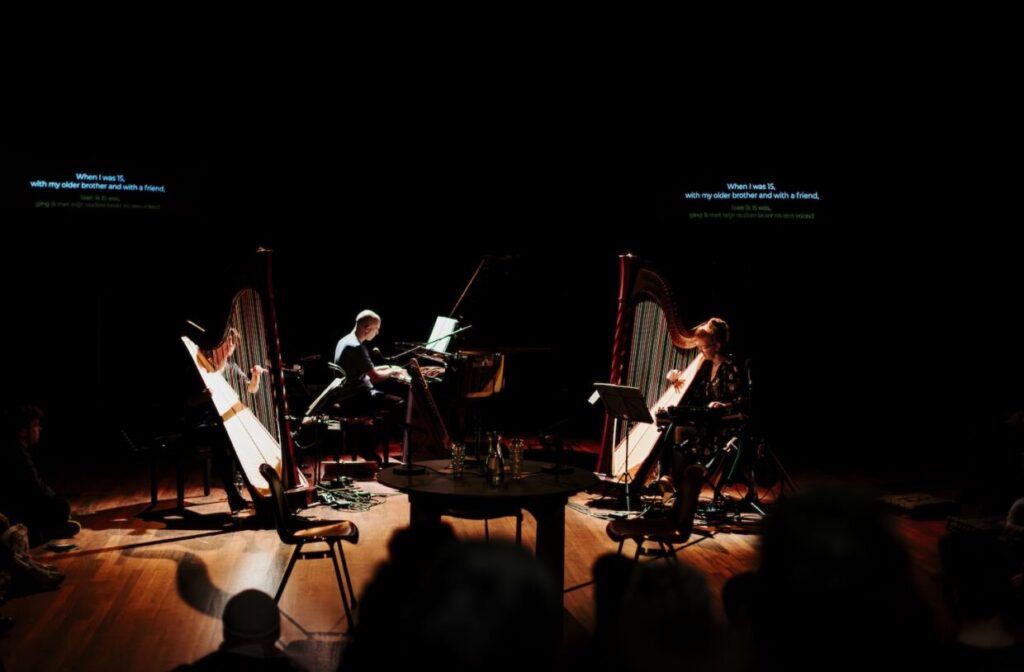
You are being invited to participate in this research because of your involvement in the Nothing Bigger Than Humanity Production. Participation in this research takes the form of a one-hour interview that will either take place via an online video call or in person in a quiet location where we can speak freely.
There is no direct benefit to participation, such as compensation for example. However, your participation in this research will help us to develop a better understanding of restorative processes of everyday democratic resistance across different contexts. In a practical sense, your contribution will help us to create a set of resources designed to inform and empower others in similar positions or in comparable contexts benefit from this shared learning and develop their own practices and initiatives.
The researchers may also contact you after the interview via email to ask some follow-up or clarification questions.
Sign up to be involved…
We will not contact you for any purposes other than this research project and your data is held in accordance with GDPR.